Updated: September 2026 | Reading time: ~8 minutes | Research-based review
If you have spent any time searching for ways to sharpen your focus, sleep more deeply, or clear that constant mental fog, you have almost certainly run into Pineal Guard. The ads are hard to miss — dramatic talk about a “calcified” pineal gland, a “blocked third eye,” and a single daily drop that supposedly switches your brain back on.
And that is exactly why so many people type the same question into Google: is Pineal Guard legit, or is it just another slick supplement funnel?
It is a fair question. The supplement industry is full of products with beautiful websites and disappointing bottles. So instead of repeating the sales page, this review does something different: we look at what is actually inside Pineal Guard, what published research says about each ingredient, what buyers report after a few months, and where the marketing goes further than the evidence can support.
Official site only — 365-day money-back guarantee
Quick Recap: Is Pineal Guard Legit or a Scam?
Short answer: Pineal Guard is a legitimate product, not a scam — but its marketing promises more than its formula can realistically deliver.
It is a real supplement, sold by a real company, shipped from a real facility, with a genuine 365-day refund policy. Nobody is taking your money and disappearing. The ingredients list is public and contains several herbs with actual published human research behind them.
✅ Legit in the ways that matter most: real product, real ingredients, real refund window, no hidden auto-billing on the official site.
⚠️ But be realistic: there is no published clinical trial on Pineal Guard itself, the per-ingredient dosages are not disclosed, and the central claim — that a supplement can “decalcify” your pineal gland — is not something science has demonstrated in humans.
So the honest framing is this: Pineal Guard is a reasonable herbal nootropic blend wrapped in extremely aggressive spiritual marketing. If you buy it expecting gentle support for focus and calm, you may be satisfied. If you buy it expecting your “third eye” to open in 30 days, you will not be.
Why Do Some People Think Pineal Guard Could Be a Scam?
The scam suspicion does not come from nowhere. There are four specific things that set off people’s alarm bells, and all four are worth taking seriously.
1. The “pineal decalcification” claim is doing a lot of heavy lifting
Pineal gland calcification is a genuine, well-documented phenomenon — calcium deposits (called corpora arenacea or “brain sand”) accumulate in the pineal gland with age and show up routinely on brain scans. Some observational studies have linked heavier calcification with lower melatonin output and poorer sleep quality.
What does not exist is human evidence that any oral supplement reverses that calcification, or that reversing it would improve your focus and intuition. The marketing takes a real anatomical fact and attaches an unproven promise to it. That leap is the single biggest credibility problem the product has.
2. The sales presentation uses classic high-pressure tactics
Long autoplay video, a “this page may be taken down” warning, countdown-style scarcity, an origin story involving suppressed ancient knowledge. None of this proves a product is bad — plenty of decent supplements use the same funnel template because it converts — but it does mean you should evaluate the bottle, not the video.
3. Dosages are not disclosed
Pineal Guard lists nine ingredients but does not publish how much of each one a serving contains. This matters enormously. Bacopa monnieri, for example, shows cognitive effects in trials at roughly 300 mg per day of a standardised extract, taken for 12 weeks. Lion’s mane trials typically use 1,000 mg or more daily. Pineal Guard is a liquid taken in drops — and a drop is a very small volume. Without a label breakdown, there is no way to confirm the clinically studied amounts are present.
4. Third-party listings and copycat sellers muddy the water
Search “Pineal Guard” and you will find similarly named products — Pineal XT, Pineal Guardian, Pineal Guard X — plus marketplace listings from sellers with no connection to the original brand. People who buy one of these, get nothing, and then blame “Pineal Guard” are a large part of why the scam question trends at all.
Buying anywhere else voids the refund guarantee
Pineal Guard Ingredients Breakdown: What Science Says
This is where a review either earns your trust or wastes your time. Below is every ingredient on the Pineal Guard label, with an honest grade for how much human evidence supports it — not how good it sounds.
1. Bacopa Monnieri (Brahmi)

Evidence: Strong (the best-supported ingredient in the formula)
Bacopa is the one ingredient here with a genuinely solid research base. Systematic reviews of randomised, placebo-controlled human trials have found consistent improvements in memory acquisition and delayed recall — the ability to learn something and still have it available later. The catch is that the effect is modest, builds slowly over 8–12 weeks, and was measured at around 300 mg per day of standardised extract. Bacopa in the bottle is a genuine plus; whether there is enough of it is unknown.
2. Lion’s Mane Mushroom (Hericium erinaceus)
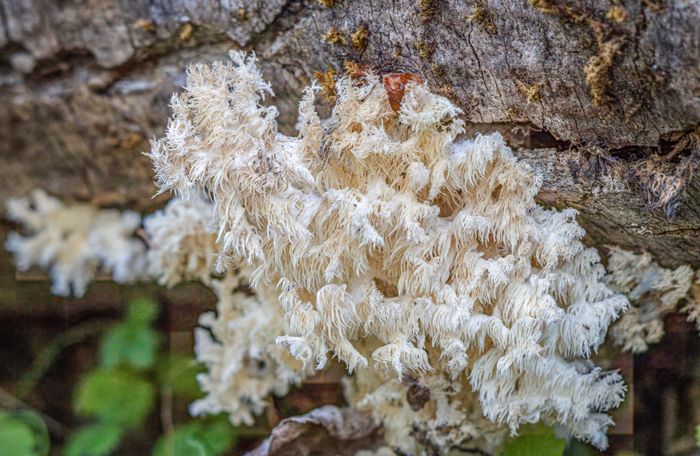
Evidence: Moderate but mixed
Lion’s mane is popular because of compelling laboratory work on nerve growth factor. Human results are less tidy. A small Japanese trial in older adults with mild cognitive impairment reported improvement that faded after people stopped taking it, and several more recent placebo-controlled trials in healthy adults have produced mixed or null results on objective cognitive tests. Promising, genuinely researched, not yet proven.
3. Ginkgo Biloba (Leaf Extract)
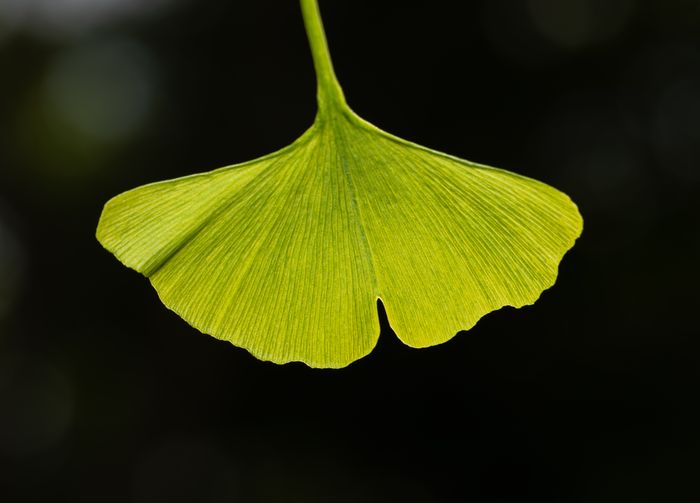
Evidence: Moderate, with an important caveat
Ginkgo is one of the most-studied herbs in the world, and the results are humbling: large long-term trials found it did not prevent dementia or cognitive decline in older adults. Smaller studies do suggest modest benefits for cerebral blood flow and for people with existing cognitive impairment. For a healthy adult chasing sharper focus, expect little to nothing dramatic.
4. Pine Bark Extract
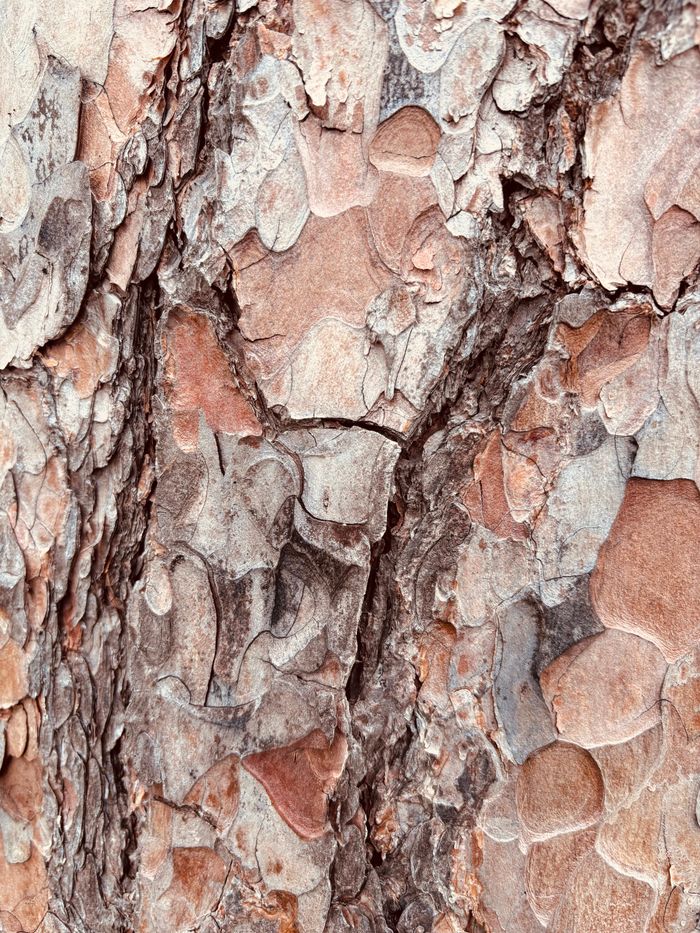
Evidence: Moderate, early
Standardised pine bark extract is rich in proanthocyanidins and has small human trials behind it for blood-vessel function, antioxidant status, and — in a handful of studies — attention and mental performance in students and older adults. Trial sizes are small and often industry-funded, so treat it as plausible support rather than proven.
5. Tamarind (Fruit Extract)
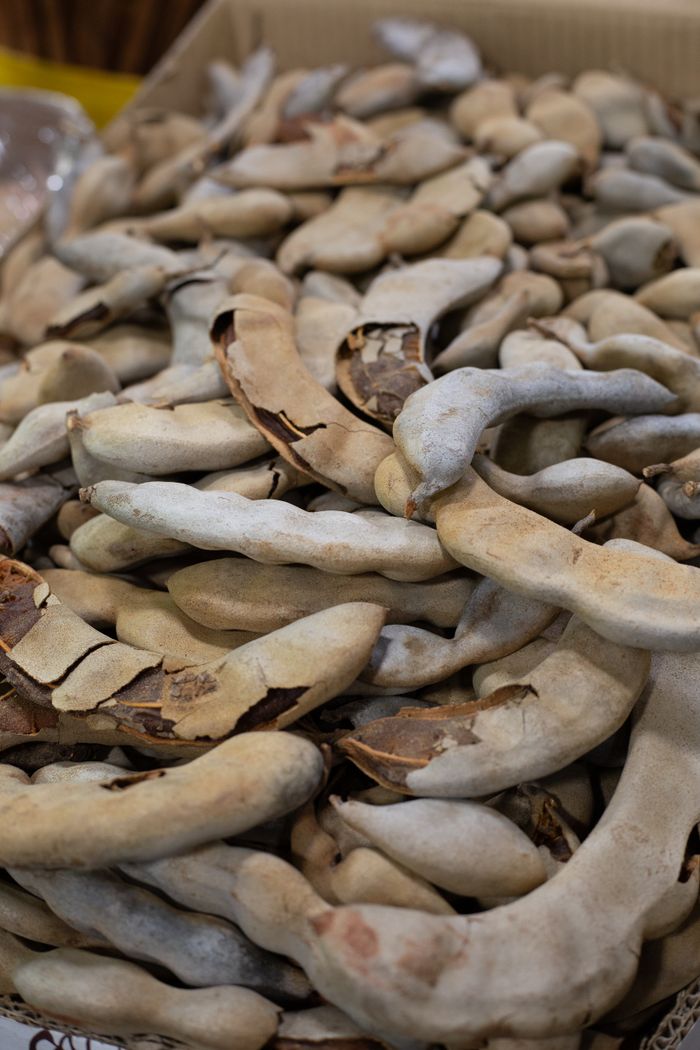
Evidence: Weak for the claim it is used for
Tamarind is in this formula for a very specific marketing reason: a small older study found tamarind intake increased urinary fluoride excretion in children, and fluoride is the substance most often blamed for pineal calcification in wellness circles. That is a long chain of inference. Excreting a little more fluoride in urine is not the same as dissolving calcium deposits in the brain, and no study has shown the second step happening.
6. Spirulina (Blue-Green Algae)
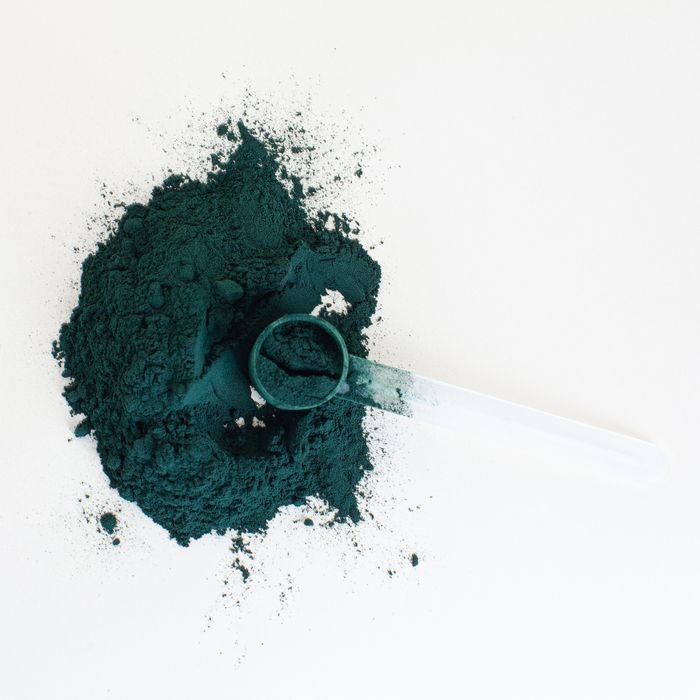
Evidence: Good as nutrition, weak for cognition
Spirulina is legitimately nutrient-dense — protein, B vitamins, iron, phycocyanin with real antioxidant activity. Human evidence tying it to better focus or sleep is thin. Think of it as a general wellness ingredient rather than a brain ingredient.
7. Chlorella (Green Algae)
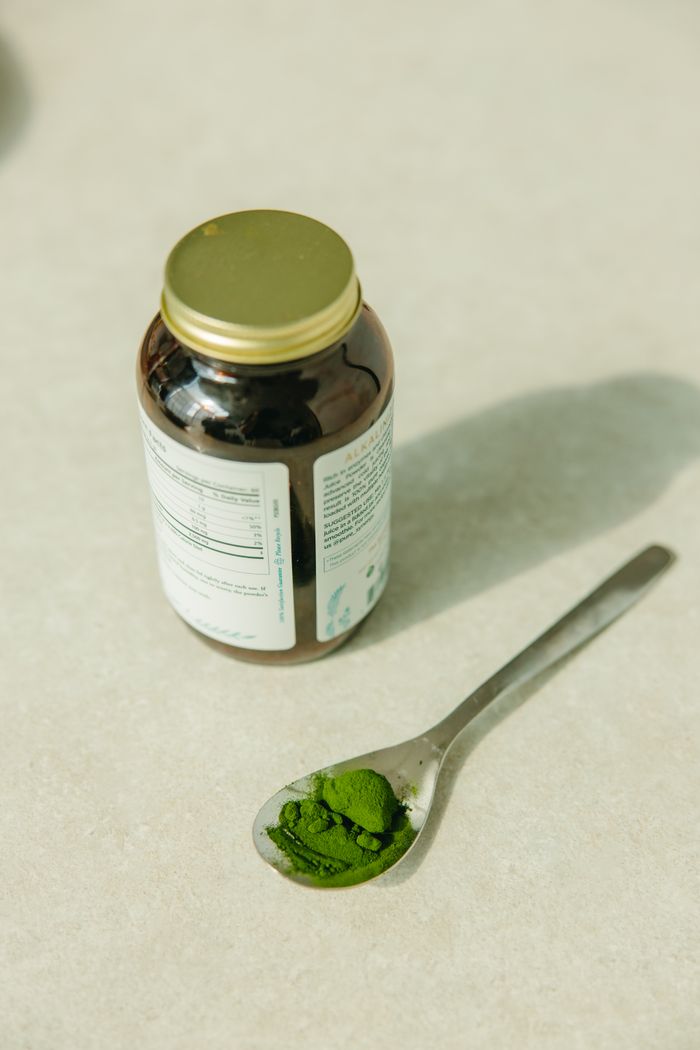
Evidence: Weak to moderate
Chlorella is included on “detox” logic — it has some ability to bind heavy metals in the gut, supported by limited human data. Useful nutritionally, with no meaningful evidence for cognitive or pineal-specific effects.
8. Moringa (Leaf Extract)

Evidence: Weak in humans
Moringa leaf is a nutritional powerhouse on paper and has interesting antioxidant and anti-inflammatory activity in animal studies, including some neuroprotective signals. Human cognitive trials are essentially absent.
9. Neem (Leaf Extract)
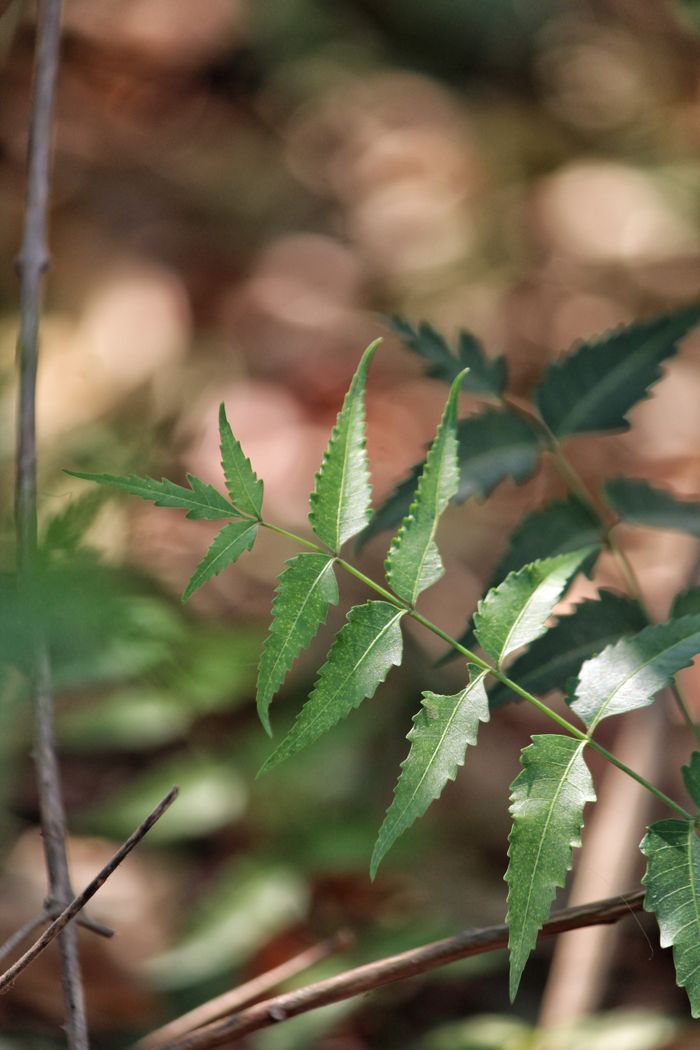
Evidence: Weak for this purpose
Neem has a long Ayurvedic history and documented antimicrobial and anti-inflammatory properties. There is no human research connecting it to memory, focus, sleep, or pineal function. Its inclusion looks traditional rather than evidence-driven.
Bottom line on the formula: two ingredients with real cognitive research (bacopa, lion’s mane), two with reasonable supporting data (ginkgo, pine bark), and five that are nutritionally sensible but not evidence-backed for what the sales page promises. That is a decent blend — just not a miracle one.
How Pineal Guard Works: The Science Behind It
Strip away the mystical language and the formula is really working along three plausible pathways.
Pathway 1: Antioxidant load and oxidative stress
Pine bark, spirulina, chlorella, moringa and neem are all antioxidant-rich. Brain tissue is unusually vulnerable to oxidative stress because of its high oxygen use and fat content, and chronic oxidative stress is associated with slower processing and worse memory over time. Reducing that burden is a genuine, if slow and unglamorous, mechanism.
Pathway 2: Cerebral blood flow
Ginkgo and pine bark both have human data on vascular function and circulation. Better perfusion means better oxygen and glucose delivery to working neurons — one of the more reliable explanations for why some people report feeling “clearer” on these herbs within a few weeks.
Pathway 3: Neurotransmission and neuroplasticity
This is bacopa and lion’s mane territory. Bacopa appears to influence acetylcholine signalling and dendritic branching in the hippocampus; lion’s mane compounds stimulate nerve growth factor in laboratory models. These are the mechanisms behind the memory effects that actually show up in trials — and they are also the reason results take two to three months rather than two to three days.
What is not a demonstrated mechanism: dissolving pineal calcification. No ingredient here has been shown in a human study to reduce calcium deposits in the pineal gland. If Pineal Guard helps you, the likeliest reason is ordinary herbal nootropic action — not the story on the sales video.
Pineal Guard Customer Reviews: What Real Users Are Saying
Rather than reprinting the polished quotes from the sales page, here is the pattern that emerges across independent review sites, marketplace listings and complaint threads.
✅ What positive reviewers consistently report
- Calmer, more stable afternoons. The most common positive theme is reduced mental “noise” and fewer 3 p.m. crashes — consistent with a non-stimulant herbal blend.
- Easier sleep onset after several weeks. Several users describe falling asleep faster, usually noticed in month two rather than week one.
- Improved recall for small daily things — names, where things were put, what was said in a meeting. Modest, but this is exactly the type of effect bacopa trials measure.
- Easy format and no jitters. Drops in water or tea, no caffeine, no crash.
⚠️ What negative and mixed reviewers report
- “I felt nothing.” The single most common complaint, usually from people who judged it after two to four weeks — before any of the researched ingredients would be expected to work.
- Benefits that plateau. Some users describe a pleasant first two months followed by no further change, which reads as a real but small effect rather than a building one.
- Expectations set by the marketing. Buyers who came for spiritual awakening and got mildly better focus felt misled — a marketing problem more than a product problem.
- Price sensitivity. At $69 for a single bottle, it is priced well above a generic bacopa or lion’s mane supplement.
- Refund friction on unofficial purchases. Complaints about refunds overwhelmingly come from people who bought through third-party sellers, where the 365-day guarantee does not apply.
Full refund on the official site — even on empty bottles
Pineal Guard Safety and Side Effects
For a healthy adult, this is a low-risk formula. The ingredients are common, food-grade or long-used botanicals, and the product is sold as a non-stimulant daily drop. Reported side effects are mild and uncommon — mostly digestive upset, and occasional drowsiness if taken later in the day.
That said, “natural” is not the same as “no interactions.” A few genuine cautions:
- Ginkgo biloba can increase bleeding risk and may interact with blood thinners such as warfarin, aspirin or clopidogrel. Stop well before any scheduled surgery.
- Bacopa can cause nausea, cramping or loose stools in some people, and is best taken with food.
- Neem is not considered safe in pregnancy and has traditional associations with fertility effects.
- Chlorella and spirulina contain vitamin K and iodine, relevant if you take anticoagulants or have a thyroid condition.
- Algae ingredients can trigger reactions in people with seafood, iodine or mould sensitivities.
Who should skip it or ask a doctor first: anyone pregnant or breastfeeding, under 18, on blood thinners, seizure medication, thyroid medication or sedatives, anyone with a bleeding disorder, and anyone scheduled for surgery within two weeks.
How to Use Pineal Guard for Best Results
- Shake the bottle properly. It is a botanical liquid and the extracts settle. A lazy shake means an inconsistent dose.
- Take it in the morning, with or just after food. Bacopa is notably easier on the stomach with a meal, and morning dosing avoids any late-day drowsiness.
- Follow the label serving exactly. Doubling a herbal extract does not double the benefit; it mostly raises the chance of digestive upset.
- Commit to 90 days, not 30. This is the most important line in the whole article. Bacopa’s measurable effects appear at around 8–12 weeks. Judging this product at week three is judging it before it has had a chance to do anything.
- Fix the free variables too. Consistent sleep timing, morning daylight, and less screen light after dark influence melatonin far more reliably than any supplement. Run those alongside, not instead.
- Track something measurable. A one-line daily note on sleep quality and afternoon focus beats trying to remember in March how February felt.
Pineal Guard vs Other Pineal Gland & Brain Health Supplements
| Feature | Typical Pineal / Nootropic Supplement | Pineal Guard |
|---|---|---|
| Format | Capsules or tablets | Liquid drops, once daily |
| Evidence-backed cognitive ingredients | Often one, sometimes none | Four (bacopa, lion’s mane, ginkgo, pine bark) |
| Dosage transparency | Varies; better brands disclose per-ingredient mg | Not disclosed — a real weakness |
| Stimulants | Frequently caffeine-based | Stimulant-free |
| Product-specific clinical trial | Rare | None published |
| Refund window | 30–60 days typical | 365 days |
| Price per bottle | $25–$50 | $49–$69 depending on bundle |
| Marketing style | Health-focused | Heavily spiritual — sets unrealistic expectations |
✅ Pros
- Contains bacopa — the best-evidenced natural memory ingredient
- Stimulant-free, no jitters or crash
- 365-day money-back guarantee is unusually generous
- Full ingredient list is public, no mystery “proprietary” names
- Simple once-daily liquid format
- Meaningful savings on the 3 and 6-bottle bundles
⚠️ Cons
- Per-ingredient dosages are not disclosed
- No clinical trial on the finished product
- “Decalcification” claim is not supported by human evidence
- Expensive next to single-ingredient alternatives
- Needs 2–3 months before any fair judgement
- Only sold online, through the official site
Where to Buy Pineal Guard Safely
Pineal Guard is sold exclusively through its official website. This is not just an upsell line — it is the practical difference between having a 365-day refund and having no recourse at all. Marketplace listings using the same or similar names are not covered by the manufacturer’s guarantee, and there is no way to verify what is in them.
| Package | Price per bottle | Total | Includes |
|---|---|---|---|
| 1 bottle (30-day supply) | $69 | $69 + shipping | Trial size — too short to judge results |
| 3 bottles (90-day supply) | $59 | $177 | Free US shipping + bonuses — best match for the 90-day window |
| 6 bottles (180-day supply) | $49 | $294 | Free US shipping + bonuses, lowest per-bottle price |
A practical note on which to choose: because the researched ingredients need roughly 8–12 weeks, a single bottle is almost guaranteed to leave you undecided. The 3-bottle package lines up with the timeframe the evidence actually calls for, and with a 365-day guarantee behind it, the real risk of the larger bundle is lower than it looks.
Lowest price + 365-day no-questions-asked refund
Frequently Asked Questions
Is Pineal Guard a scam?
No. It is a real product from a real seller with a genuine refund policy. The fair criticism is not fraud — it is that the marketing oversells what the formula can do.
Can Pineal Guard really decalcify the pineal gland?
There is no human study showing that this or any supplement reverses pineal calcification. Treat that claim as marketing, and judge the product on focus, calm and sleep support instead.
How long before I notice anything?
Realistically 8–12 weeks. Bacopa, the most evidence-backed ingredient here, does not produce measurable effects faster than that in trials. Anyone promising results in a week is selling, not informing.
Will it make me sleepy during the day?
It contains no melatonin or sedatives, so daytime drowsiness is uncommon. Morning dosing avoids the issue entirely.
Can I take it with my medication?
Ask your doctor first — especially if you take blood thinners, thyroid medication, seizure medication or sedatives. Ginkgo in particular has documented interactions.
What if it doesn’t work for me?
The official site offers a 365-day money-back guarantee, including on opened bottles. Keep your order confirmation, and contact the support address on the official site rather than a reseller.
Is it available on Amazon or in stores?
The manufacturer sells only through the official website. Similarly named products elsewhere are not the same item and are not covered by the guarantee.
Final Verdict: Is Pineal Guard Legit or a Scam?
✅ Verdict: Pineal Guard is legit — an honest product with dishonest-sounding marketing.
Here is the fairest summary we can give you. Pineal Guard is a genuine herbal nootropic containing at least four ingredients with real human research behind them, sold with an unusually strong 365-day guarantee. Nobody is running off with your card details.
But it is not the formula the sales video describes. There is no evidence it decalcifies anything, no published trial on the product itself, and no disclosed dosages to confirm the clinically studied amounts are present. What it can plausibly do is offer gradual, modest support for memory, mental clarity and calm — the kind of change you notice in month three, not on day five.
Worth trying if: you want a stimulant-free herbal blend for focus and mental clarity, you are willing to give it a full 90 days, and you value having a year-long refund window as a safety net.
Skip it if: you expect dramatic or spiritual results, you want published dosages before you buy, you take blood thinners or other interacting medication, or you would rather buy a standardised bacopa or lion’s mane extract for a fraction of the price.
Final Thoughts
The most useful thing you can do with a product like this is separate the bottle from the story. The story — ancient knowledge, a blocked third eye, one drop to unlock it — is designed to make you click. The bottle is a competent botanical blend that may give you a quieter mind and slightly sharper recall if you take it long enough.
If that more modest version still sounds worth your money, then the 365-day guarantee makes trying it a genuinely low-risk decision. Order from the official site, commit to at least 90 days, keep your sleep and daylight habits honest alongside it, and judge it on how you actually feel in December rather than on how the video made you feel today.
Official website • 365-day money-back guarantee • Free US shipping on bundles
Disclaimer: This article is for informational purposes only and is not medical advice. Pineal Guard is a dietary supplement and has not been evaluated by the FDA for the diagnosis, treatment, cure or prevention of any disease. Individual results vary. Consult a qualified healthcare professional before starting any supplement, particularly if you are pregnant, nursing, under 18, managing a health condition or taking medication. Affiliate disclosure: this page contains affiliate links, and we may earn a commission if you purchase through them at no extra cost to you. Pricing and guarantee terms were accurate at the time of writing — confirm current details on the official website.